
Skip to content

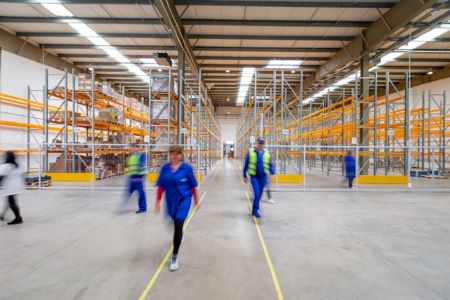
Warehouses Employ Far More People Than Official Figures Suggest

New analysis of the UK warehousing sector, carried out by the UK Warehousing Association, suggests it employs around 760,000 people nationally – over 70% more than official figures have suggested. Many of these roles have historically been hidden within broader retail and manufacturing employment figures, meaning the true scale of the workforce moving goods around …
Midlands Strengthens Position as UK’s Logistics Capital as Warehouse Investment Accelerates

The Midlands is continuing to cement its reputation as the UK’s logistics capital, with major warehouse investments confirming the region’s growing importance as a national distribution hub. Recent developments from major logistics operators – including new facilities from CEVA Logistics in Derby and DHL Supply Chain in the wider Midlands region – reflect continued confidence …

Could Better Equipment Design Help Reduce Pressure on Warehouse Workers?

Warehouse work can be physically demanding; that is undeniable. However, the pressures facing operators are not always caused by the obvious hazards. A busy distribution centre might have safe working procedures, regular training and well-maintained equipment, yet employees can still face daily frustrations that make their roles harder than they need to be. Repetitive tasks, …

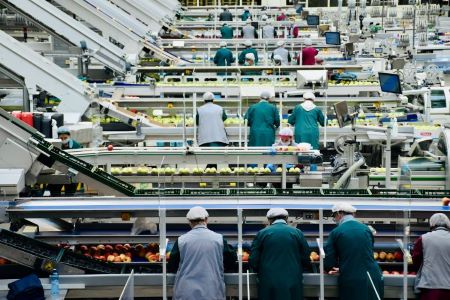
Food Manufacturers Are Holding More Buffer Stock Ahead of Harvest Volatility

Food processors and manufacturers across the UK are holding significantly more buffer stock this year, as unpredictable harvests and increasingly erratic weather patterns make just-in-time supply chains harder to rely on. A run of unsettled growing seasons, marked by prolonged dry spells followed by sudden heavy rainfall, has left many producers unable to guarantee consistent …

Why Product Liability Concerns Are Changing Warehouse Practices

For many businesses, product liability has traditionally been associated with manufacturing defects, labelling issues or product recalls. Increasingly, however, attention is turning towards what happens between the production line and the customer. As supply chains become more transparent and customer expectations continue to rise, businesses are facing greater scrutiny when goods arrive damaged. Whether the …

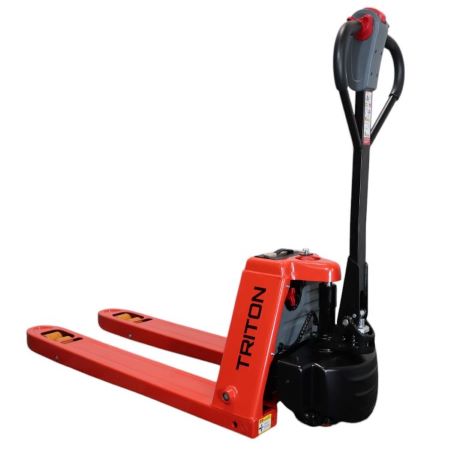
Midland Pallet Trucks Reveals How Battery Technology Improvements Are Extending Electric Stacker & Pallet Truck Use

Advances in battery technology are reshaping how warehouse equipment is used day to day, with electric stackers and pallet handling systems benefiting from improvements originally driven by energy and electric vehicle innovation. According to Midland Pallet Trucks, better battery performance, faster charging cycles and improved energy efficiency are now allowing warehouses to extend the operational …

The Logistics Consequences of British Weather Extremes

British weather has a long-standing reputation around the world for being sort of grey, rather rainy, with warm summers but no great extremes. And perhaps it was so, once upon a time – but no longer.   From heatwaves and flash flooding to prolonged periods of heavy rain, British weather is becoming increasingly unpredictable. While …

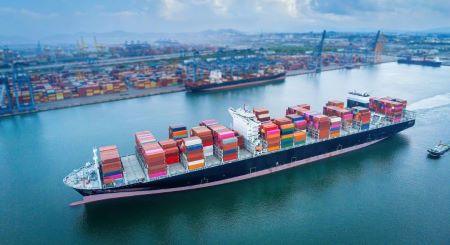
Why Nearshoring Is Increasing Demand for Higher-Cycle Manual Handling Equipment

As more manufacturers shift production closer to the UK and wider European markets, warehouses are beginning to feel the operational consequences of nearshoring. Instead of receiving large, infrequent shipments from further afield, many facilities are now handling smaller, more regular inbound flows. According to Midland Pallet Trucks, this change is increasing the intensity of daily …

Why Manual Handling Equipment Is Being Affected by Supplier Volatility

Warehouse operations have always had to deal with variation, but in recent years that variation has become harder to predict and much more uneven in its impact. One of the less visible consequences is how differently manual handling equipment is now being used from one week to the next. For Midland Pallet Trucks, the issue …

Why Multi-Supplier Supply Chains Are Increasing Equipment Wear Rates

As supply chains become increasingly fragmented, warehouses across the UK are beginning to see a less obvious but growing operational issue: higher wear rates on materials handling equipment. The move towards multi-supplier sourcing has brought flexibility and resilience to procurement strategies, but it has also introduced greater variation in pallet quality, load consistency and packaging …

Why Entry-Level Manual Handling Equipment Is Being Pushed Beyond Design Intent

Entry-level materials handling equipment has long played an important role in UK warehouses, especially among SMEs looking for cost-effective ways to keep goods moving. But increasingly, that equipment is being used in ways that go far beyond the conditions it was originally designed for. According to Midland Pallet Trucks, many small and mid-sized operators are …

Why Warehouses Are Struggling with Battery Storage Space

As more warehouses transition towards electric materials handling equipment, many operators are discovering a challenge they did not fully anticipate: where to charge and manage it all. As adoption increases, operators are finding that battery management is becoming part of day-to-day warehouse planning rather than a secondary concern. According to Midland Pallet Trucks, the steady …

← Previous
1 2
Next →